
How to Organize a Color Run in an Elementary School : 7 Steps
Organizing a color run in an elementary school is a powerful way to combine physical activity, fun, and community engagement. It is also an excellent opportunity to raise funds for school projects while creating a memorable experience for children, parents, and staff. With the right preparation, a color run can be safe, inclusive, and easy to manage.
Here is a practical guide to help you plan a successful school color run from start to finish.
Why a Color Run Is Perfect for Elementary Schools
Color runs are non-competitive by nature, which makes them ideal for young children. The focus is not on speed or performance, but on participation, joy, and movement.
Benefits include:
-
Encouraging physical activity in a fun and accessible way
-
Creating a strong sense of belonging within the school community
-
Involving parents, teachers, and volunteers
-
Generating funds for school initiatives in a positive, festive context
Because the event is playful and inclusive, every child can participate at their own pace.
Step 1: Define the Format and Objectives
Before anything else, clarify the purpose of the event.
Ask yourself:
-
Is this a fundraising activity or a community celebration (or both)?
-
How many students will participate?
-
Will the run take place during school hours or on a weekend?
-
What distance is appropriate for the age groups involved?
For elementary schools, short loops (500 m to 2 km) are usually sufficient. You can also offer a walking option to ensure all children feel included.
Step 2: Choose a Safe and Simple Course
Safety is the top priority when organizing a school color run.
Best practices:
-
Use a closed course within school grounds, a park, or a secured area
-
Avoid roads and uneven surfaces
-
Clearly mark the route with cones or signage
-
Position adult volunteers at key points along the course
Make sure the course is easy to understand and visible for children at all times.
Step 3: Select Child-Safe Color Powder
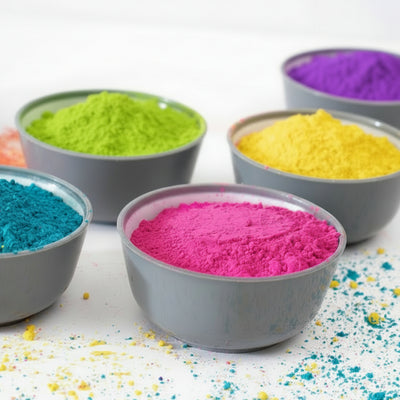
Not all color powders are suitable for school events. It is essential to use powders that are specifically designed for public events and children.
Look for powders that are:
-
Non-toxic and food-grade
-
Eco-friendly and biodegradable
-
Easy to clean from clothes and skin
Professional-grade event powders, such as those offered by NOUWEE, are designed to meet these safety standards and are commonly used for school and municipal events.
Step 4: Plan the Color Stations
Color stations are the highlight of the run. They should be fun, well-organized, and supervised.
Tips for color stations:
-
Assign unique color per station to encourage runner to continuer and get more colors
-
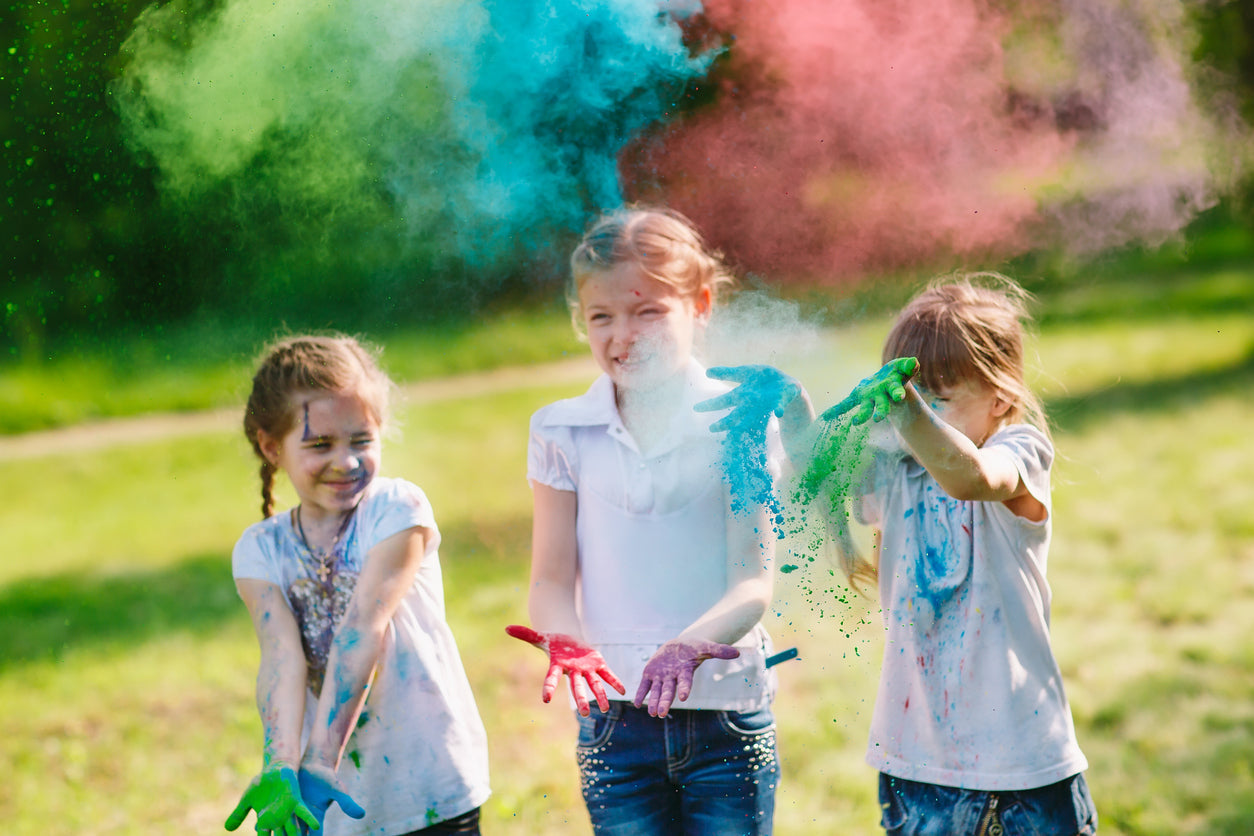
Use gentle throwing techniques (tossing downward, not directly at faces)
-
Ensure volunteers wear protective glasses and gloves if needed
-
Brief volunteers clearly on safety instructions
Placing 3 to 5 color stations along the route is usually enough for younger participants.
Step 5: Communicate Clearly With Parents
Good communication builds trust and increases participation.
Provide parents with:
-
A clear explanation of the event and its objectives
-
Information about the type of color powder used
-
Clothing recommendations (old clothes, white T-shirts)
-
Allergy and safety assurances
Offering a short FAQ document or information sheet can help answer common concerns in advance.
Step 6: Create a Festive Atmosphere
A color run is more than just a run. It is an experience.
Ideas to enhance the atmosphere:
-
Music before and after the run
-
A group warm-up led by a teacher or volunteer
-
A color throw moment at the starting line or at the end for group photos
-
Snacks and water stations
These elements transform the event into a true celebration for students and families.
Step 7: Plan for a Cleaning station
For an easier cleanup, participants should remove most of the color powder before going back home, in the school or in a bus. Ask participants to shake their clothes and hair, and rub their skin and shoes to remove as much powder as possible.
Ideas for making it funnier :
-
Group dancing like Zumba dance, everyone shakes and rubs together as a final activity.
- A cleaning station with big commercial fans and/or volunteers using batterie powered leaf blowers where paticipant go through.
Also avoid using water during the color run if you which for easier removal of color and schedule the event on a dry day if possible. Most color powder will wash easily after that.
A Meaningful and Joyful School Event
Organizing a color run in an elementary school is a rewarding project that leaves a lasting impression on children and the school community. With thoughtful planning, clear communication, and safe materials, the event becomes a moment of joy, movement, and shared pride.
Whether your goal is fundraising, community building, or promoting healthy habits, a school color run is a simple and effective way to bring everyone together around a positive, colorful experience.